Avian Ecology

Stacey

great crested newt

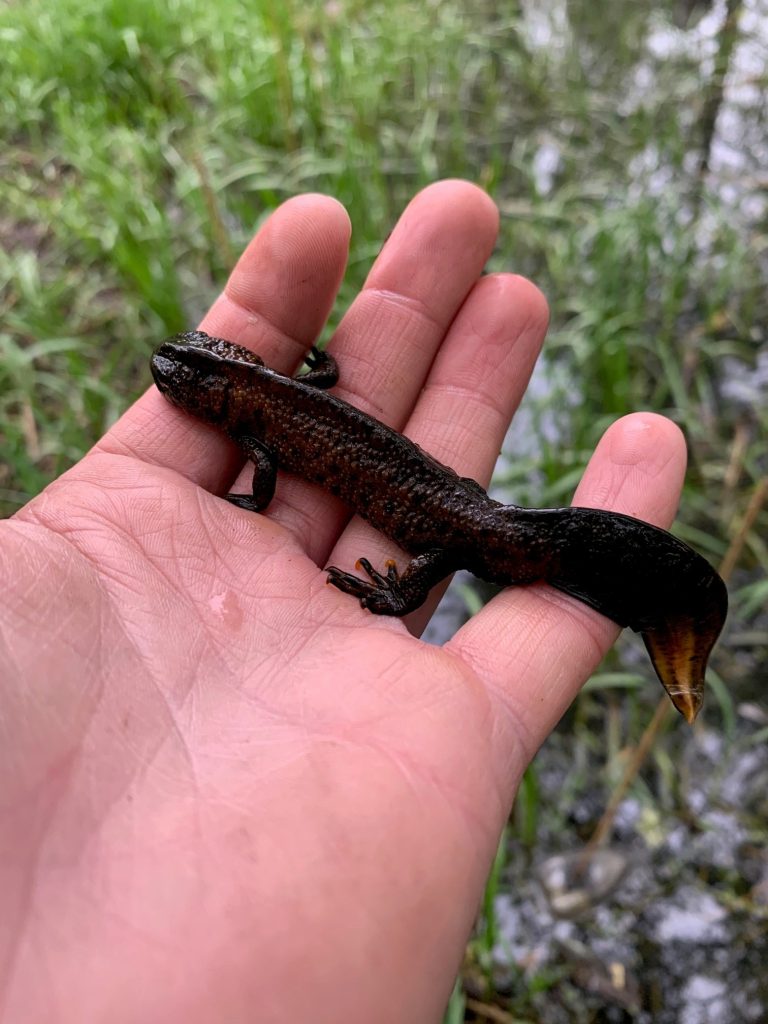
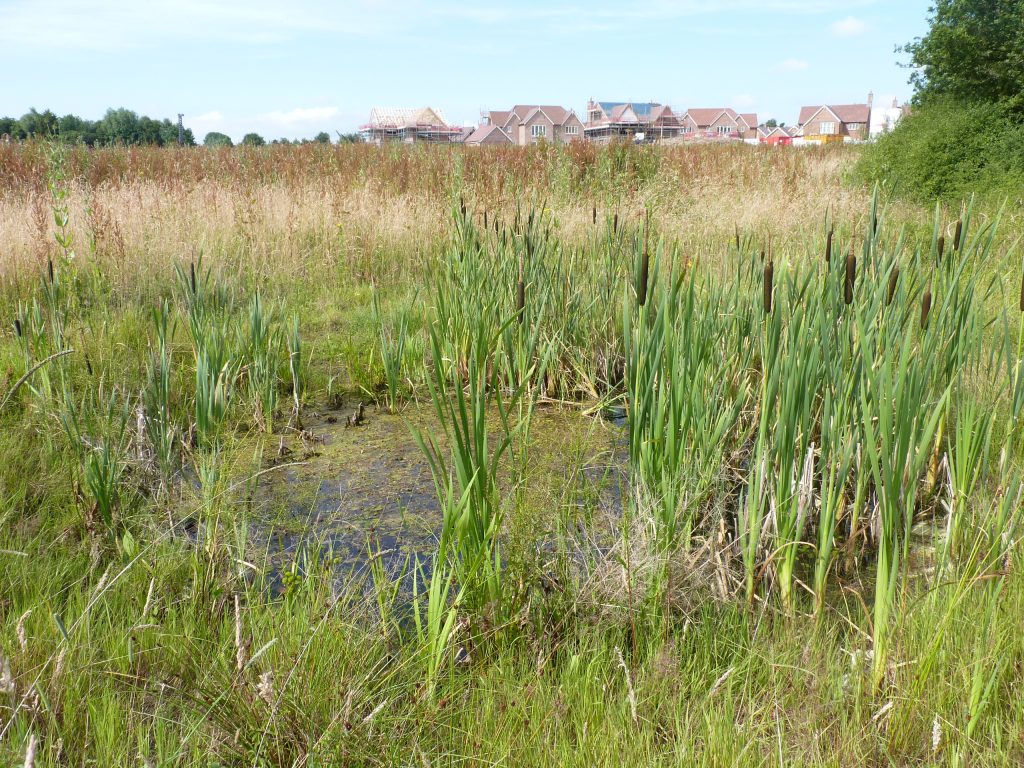
Great Crested Newt and District Level Licensing – What does it mean for your projects?

Great Crested Newt and the Woking Approach District level licensing or the ‘Woking Approach’ (as piloted in Woking in 2016) is a new approach and an alternative to the current site by site great crested newt mitigation and licensing process. The new approach will involve a district wide assessment of newt distribution; using great crested […]

Great Crested Newt and District Level Licensing – What does it mean for your projects? Read More »
Bat Surveys

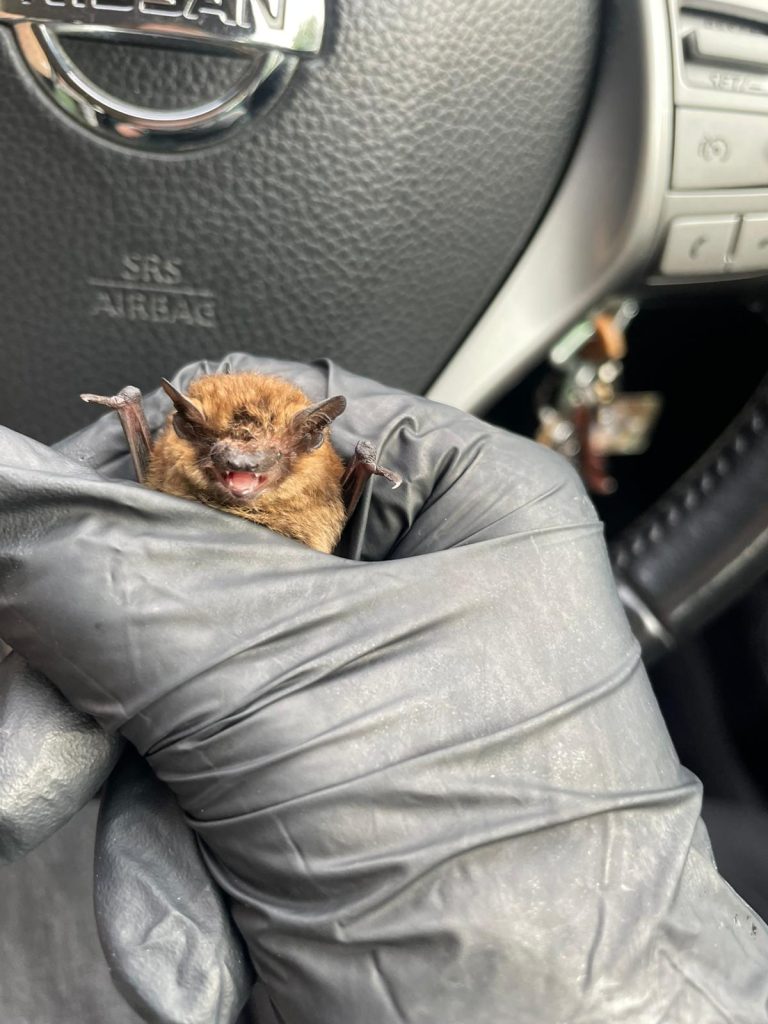
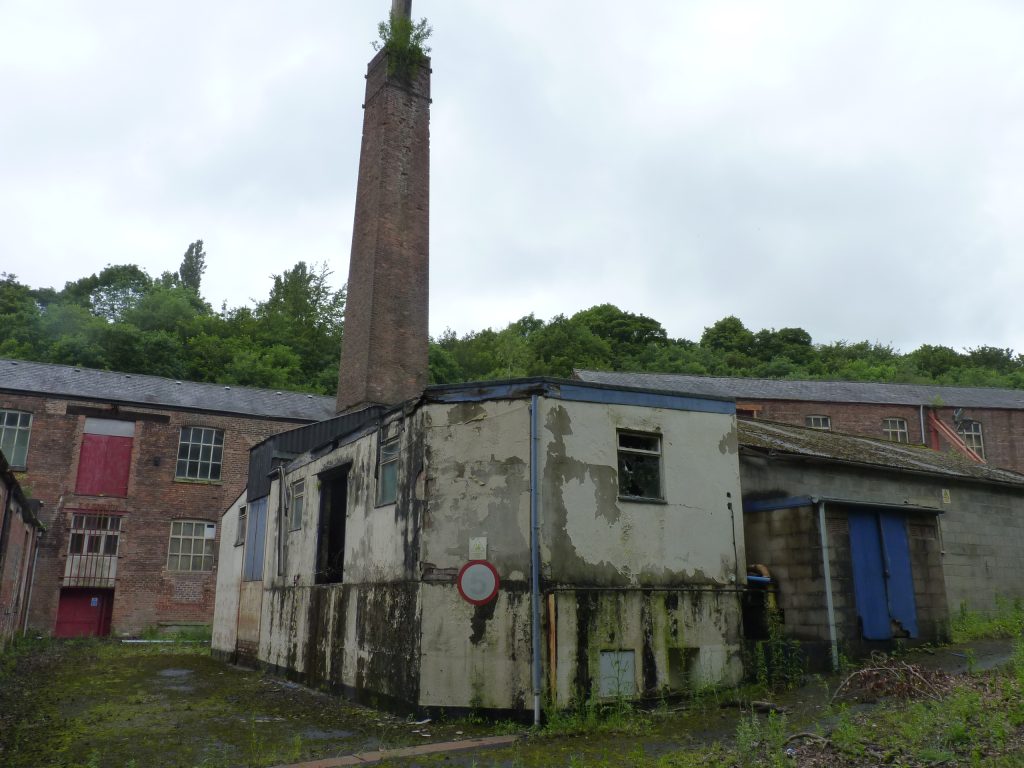
Bat Surveys at Leyland Mill, Greater Manchester

Avian Ecology undertook a suite of bat surveys at a disused mill in Greater Manchester. Surveys included an Extended Phase 1 habitat survey, preliminary bat roost inspection survey or as its now known a Preliminary Roost Assessment (PRA). These surveys highlighted the need for additional bat activity surveys including dusk emergence and dawn re-entry surveys

Bat Surveys at Leyland Mill, Greater Manchester Read More »

Welcome news as Habitats Directives ‘Fit for Purpose’

This afternoon a ‘fitness check’ by the European Commission recognised that the European Birds and Habitats Directives are relevant and remain fit for purpose. This means the Directives will not be re-opened but more work is required to ensure the Directives are properly implemented into UK legislation. The Directives are vital to the protection and

Welcome news as Habitats Directives ‘Fit for Purpose’ Read More »

Operational Monitoring of Orchard End Wind Farm in Cumbria

This twin turbine development became operational in early 2013 and the team at Avian Ecology, led by Senior Ornithologist Nicole Robinson, have been monitoring the site in to satisfy planning conditions since autumn 2013, working closely with Natural England and the RSPB to ensure success. The monitoring programme included offsite land management and supplementary food

Operational Monitoring of Orchard End Wind Farm in Cumbria Read More »

Change ahead for how developers address protected species?

Natural England is consulting on possible changes to the handling of European protected species (EPS) licensing, aiming to achieve better outcomes for species and reduce costs, delays and uncertainty for developers.   The proposals shift the focus away from protecting individual animals on development sites and towards improving populations in the wider local area; offer

Change ahead for how developers address protected species? Read More »

New Planning Bill Opens Doors for Development on Brownfield Land

The proposed Housing and Planning Bill 2015-2016 could lead to automatic planning permission on land of high ecological value, but consideration of ecology shouldn’t be overlooked. In October 2015, the Housing and Planning Bill was introduced to the House of Commons, and was ascended to Reporting on 10th December 2015 (with amendments). The Bill, which

New Planning Bill Opens Doors for Development on Brownfield Land Read More »

Renewable Energy Generation Denzell Downs Up and Running

Congratulations to Renewable Energy Generation on the commencement of operation of their Denzell Downs wind farm in Cornwall. This five turbine project required detailed assessment of the potential for effects on several species of bats, as well as birds and other wildlife. The application was initially granted permission by Cornwall Council in 2011, but was

Renewable Energy Generation Denzell Downs Up and Running Read More »

Ecological Advice for Europe’s Largest Floating Solar Farm

Floating solar farms are relatively new to the UK renewables industry and United Utilities are leading the way with the recent go-ahead for Europe’s largest floating solar farm based at Godley Reservoir, Manchester. Avian Ecology provided initial ecological and ornithological feasibility advice for this ground breaking Project, further demonstrating Avian Ecology’s position as the UK

Ecological Advice for Europe’s Largest Floating Solar Farm Read More »

eDNA for Great Crested Newts – One Year On

In spring 2014 Natural England (NE) confirmed the use of environmental DNA (eDNA) sampling as an acceptable methodology for determining the presence or likely absence of great crested newts (GCN). The process has subsequently been adopted by Natural Resources Wales (NRW). Following the NE announcement Avian Ecology quickly adopted the new methodology, completing a large

eDNA for Great Crested Newts – One Year On Read More »

Scroll to Top