As the UK accelerates its transition to clean energy, striking the right balance between renewable energy development and nature conservation becomes increasingly critical. A recent position paper – “RenewableUK: Peatlands, Renewables and Irreplaceable Habitats” — highlights how this balance can be achieved while safeguarding valuable peatland resources.
At Avian Ecology, we welcomed the opportunity to contribute to this discussion, and believe there is a constructive path forward that supports both the climate and biodiversity agendas.
Understanding Peatlands and Their Value
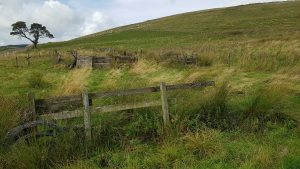
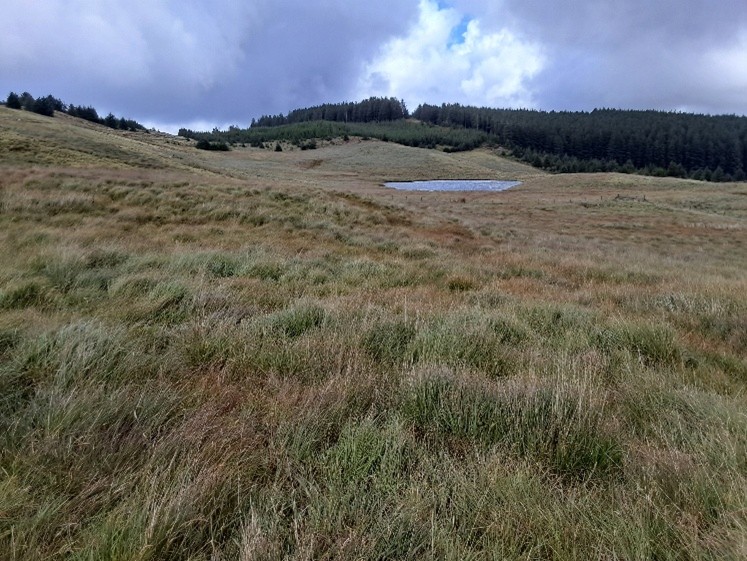
Peatlands – carbon-rich soils formed over millennia – play crucial environmental roles. They store large amounts of carbon, support specialised plant and animal communities, regulate water flows, and help maintain biodiversity. However, peatland habitats vary significantly in condition and ecological value: some are near-natural, active bogs; others are heavily degraded due to past drainage, forestry, grazing or burning.
Why a Blanket “Irreplaceable” Status Is Problematic for Some Peatlands
The new planning policy in Wales, Planning Policy Wales 12 (PPW 12), classifies all peatlands as “irreplaceable habitats.” While this recognises the fundamental value of peatland ecosystems, the position paper argues this blanket classification is scientifically unsound.
By disregarding differences in peat depth, condition or functionality, such a policy risks lumping degraded or low-functioning peat soils together with high-quality, near-natural bogs. That, in turn, could prevent any development, including wind farms, in areas that, with careful design and mitigation, might support renewable infrastructure without harm to top ecological value peatlands.
How Renewable Energy and Peatland Restoration Can Coexist
Contrary to the assumption that development where peatland is present necessarily harms biodiversity, there is growing evidence that degraded peatlands can be restored – and that well-designed wind farm projects can play a role in that restoration.
Indeed, the renewable industry has helped to pioneer peat restoration techniques: rewetting, drain-blocking, vegetation re-establishment and other measures long used in public peatland recovery programmes are now increasingly adopted in wind-farm site designs. These efforts can help rehabilitate degraded peat, revive ecosystem services, and contribute to both climate mitigation and biodiversity recovery, goals that are often positioned in conflict.
A Call for Nuanced, Evidence-Based Policy and Collaboration
As articulated in the position paper and supported by us at Avian Ecology, what is needed is not a blanket ban, but a tiered, condition-based framework which distinguishes between:
- high-quality, near-natural peatlands (which should remain protected), and
- degraded or modified peat soils (which may – with careful assessment and mitigation — support renewable development alongside habitat restoration).
Such a pragmatic approach would help avoid excluding large areas of land with strong wind resource potential, thereby supporting clean energy targets, while ensuring the restoration and enhancement of peatlands outside or adjacent to development zones.
Avian Ecology’s View: Aligning Nature and Climate Goals
At Avian Ecology, our work assessing the impacts of wind-energy developments on habitats and species has shown that conflicts between renewable energy and nature are not inevitable. When developments are planned with care, using up-to-date ecological data, habitat condition assessments, and best-practice mitigation, it is possible to deliver renewables and respect peatland ecological integrity.
We believe a collaborative, evidence-led policy approach involving developers, planners, conservation bodies, and ecological experts can enable Wales (and the rest of the UK) to meet its net-zero ambitions without sacrificing biodiversity. In this way, peatland restoration and clean energy can be complementary rather than competitive.