Avian Ecology has been providing ecological services in support of the proposed Frodsham Solar proposal, a Nationally Significant Infrastructure Project (NSIP), since 2022. The Development Consent order (DCO) application for the project was submitted in May 2025, and after review has now been accepted by the Planning inspectorate (PINS) for examination.
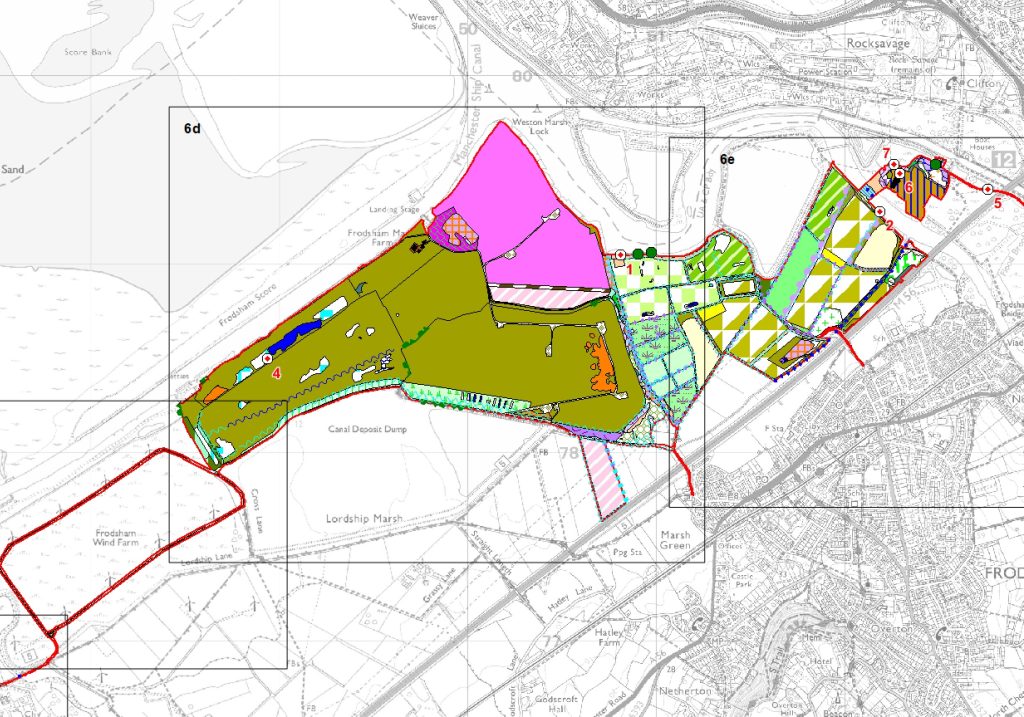
The proposed solar farm will comprise ground-mounted solar photovoltaic (PV) panels, generating enough electricity to power approximately 40,000 homes. The proposals also include Battery Energy Storage System (or ‘BESS’) – to store and reliably supply electricity when it is needed. The solar farm site is located to the north of Frodsham in Cheshire, with part of the footprint crossing over with the existing Frodsham Wind Farm site.
The solar farm is located in close proximity to the Mersey Estuary, which is designated at both national and international levels as a Site of Special Scientific Interest (SSSI), Special Protection Area (SPA) and Ramsar site. Avian ecology has completed both the Biodiversity and Ornithological chapters of the Environmental Statement to support the DCO application. This included undertaking a range of ecological surveys including UKHab habitat surveys, badger surveys, riparian mammal surveys, bat surveys and detailed breeding and winter bird surveys.
Surveys have identified a range of ecological considerations requiring mitigation, including the presence of badgers, bat commuting routes and the use of the site by ground nesting birds (including skylark) and non-breeding birds which are qualifying features of the Mersey Estuary designated sites. A Habitat regulations Assessment has been completed to determine potential impact on internationally designated sites, and detailed mitigation proposals have been developed. Given the proximity of the designated sites, and the nature of the habitats within the development area, this has been a complex task drawing on expertise and extensive experience within the Avian Ecology team. Mitigation proposals include the creation/enhancement of over 80 hectares of supporting habitat for winter birds, enhanced skylark habitat and new wetland creation. Avian Ecology have also undertaken Biodiversity Net Gain (BNG) assessments in respect of the proposals.
Examination of the DCO application will take up to 6 months, and Avian Ecology will be providing support and guidance to our client throughout the examination phase.